BTA Astrology – Zodiac Signs & Western Astrology Explained
BTA Astrology is a complete guide to zodiac signs and Western Astrology, covering personality traits, elements, planets, houses, and how celestial influences shape relationships, behavior, and life paths.
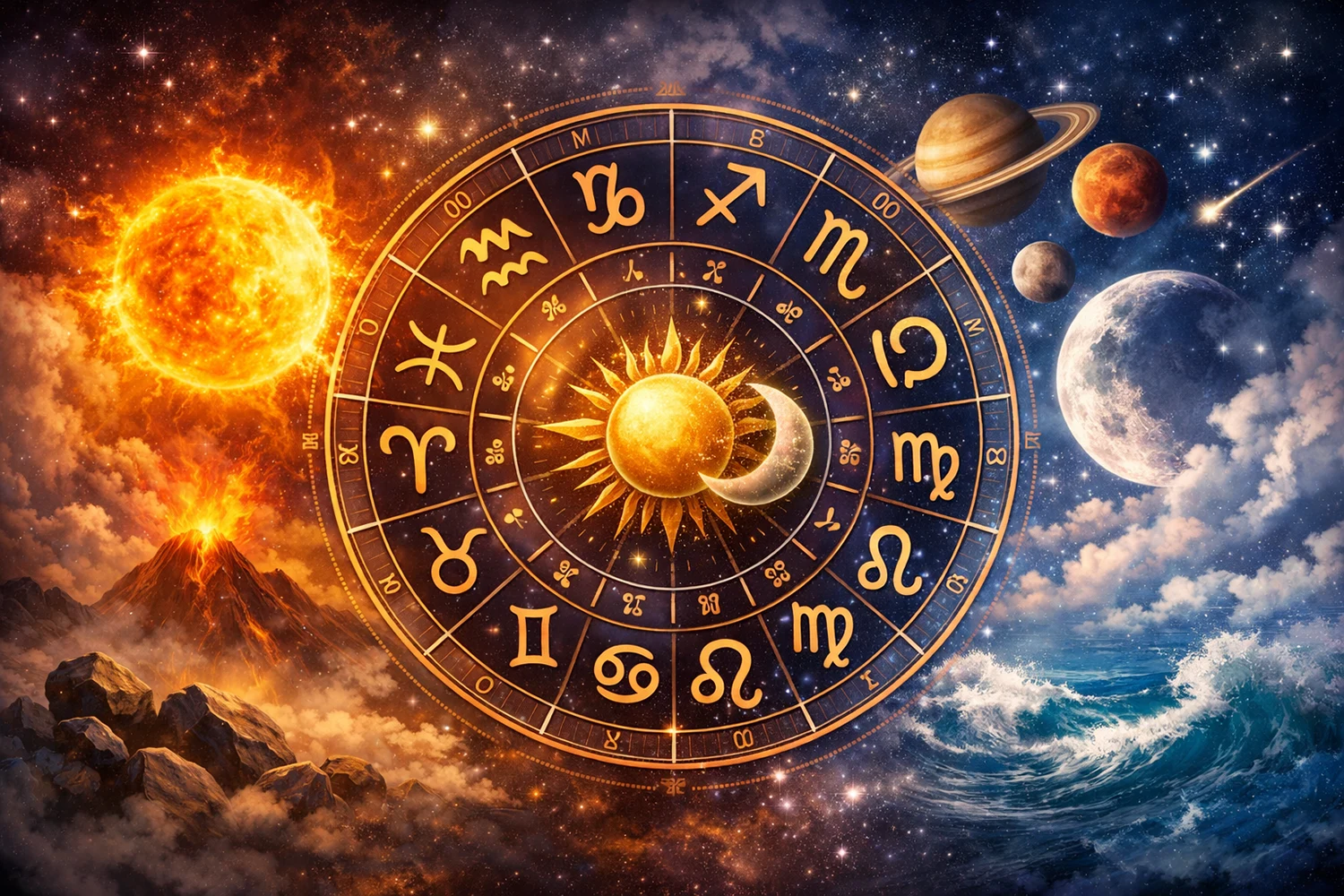
The Zodiac Signs form the core framework of Western Astrology, symbolizing twelve archetypal patterns shaped by the Sun’s annual cycle. Each sign represents a distinct approach to personality, behavior, and life experience.
The zodiac signs have fascinated humanity for centuries, offering a cosmic lens to explore personality, relationships, and destiny. Rooted in ancient traditions, these 12 celestial archetypes guide us through self-discovery and connection with others.
Western Astrology and the Zodiac Signs Explained
Western astrology is a horoscopic system that interprets the positions of celestial bodies at specific moments—most notably a person’s birth—to reveal insights into personality, behavior, and life direction.
Originating in Babylonian astrology around 500 BCE and later developed through Hellenistic traditions, it was formalized by Ptolemy in Tetrabiblos. Western astrology uses the tropical zodiac, aligning zodiac signs with Earth’s seasons and the vernal equinox rather than fixed constellations.
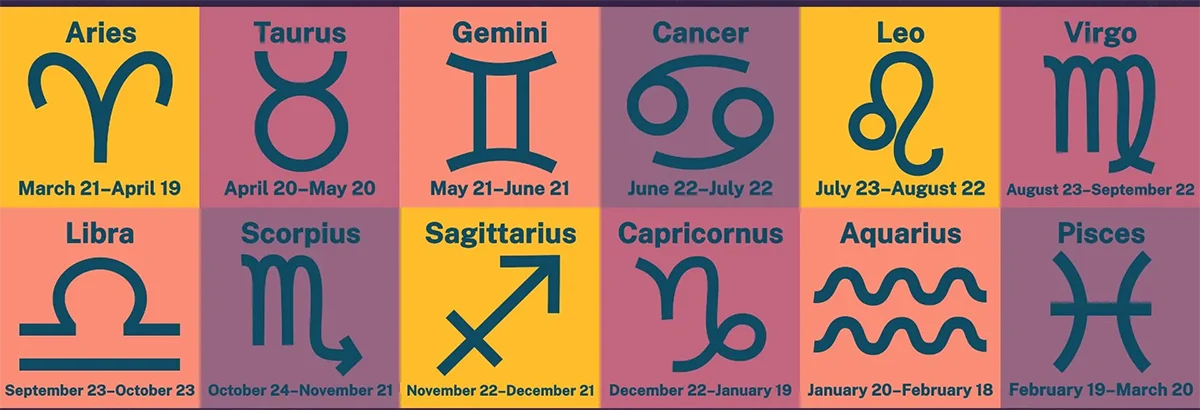
The zodiac signs are 12 equal divisions of the ecliptic, each spanning 30 degrees and corresponding to a specific time of the year. Every sign carries distinct traits, planetary rulers, and elemental energies.
By reading the Western zodiac calendar, astrologers explore how planetary movements shape individual experiences—from your sun sign, which reflects core identity, to themes like zodiac sign dates and compatibility. While not a science, astrology offers a symbolic framework for understanding personal growth and relationships, echoing the Hermetic principle: “As above, so below.”
The 12 Zodiac Signs: Dates and Characteristics
Below is a detailed overview of the 12 zodiac signs, including their dates, symbols, ruling planets, and key personality traits. Each sign is a unique piece of the cosmic puzzle, contributing to the rich tapestry of human experience.
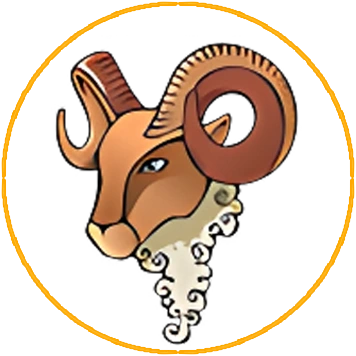
Traits: Bold, ambitious, and competitive, Aries is a natural leader who thrives on action and adventure. Their fiery energy makes them courageous but sometimes impulsive.
Strengths: Enthusiastic, confident, and determined.
Weaknesses: Impatient, headstrong, and prone to anger.
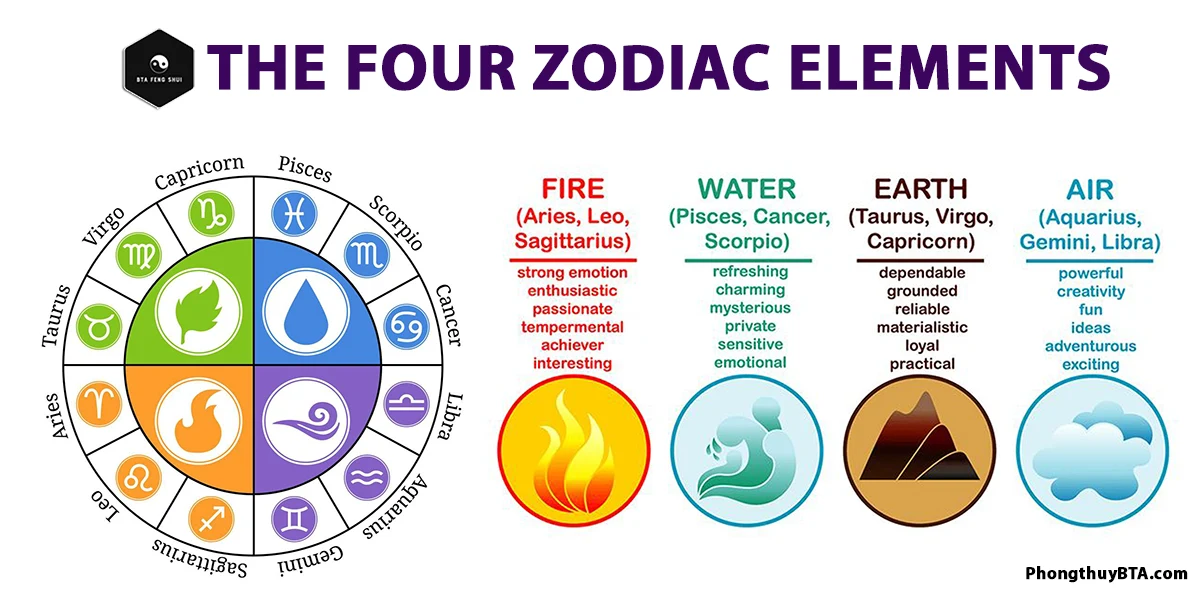
The zodiac signs are grouped into four elements—Fire, Earth, Air, and Water—each shaping distinct personality traits and behaviors. These elements, rooted in ancient Greek philosophy, represent fundamental energies that influence how we interact with the world.
Fire Signs: Aries, Leo, Sagittarius
Traits: Passionate, energetic, and dynamic.
Characteristics: Fire signs are bold, action-oriented, and inspire others with their enthusiasm. They thrive on adventure but may struggle with impulsiveness.
Compatibility: Fire signs connect well with Air signs, as air fuels fire, creating dynamic partnerships.
Earth Signs: Taurus, Virgo, Capricorn
Traits: Practical, stable, and grounded.
Characteristics: Earth signs are reliable and focused on the material world. They value security but can be overly cautious or materialistic.
Compatibility: Earth signs harmonize with Water signs, as water nurtures earth, fostering emotional and practical balance.
Air Signs: Gemini, Libra, Aquarius
Traits: Intellectual, communicative, and social.
Characteristics: Air signs are curious and thrive on ideas and connections. They love intellectual pursuits but may seem detached or superficial.
Compatibility: Air signs pair well with Fire signs, as their ideas ignite fiery passion and action.
Water Signs: Cancer, Scorpio, Pisces
Traits: Emotional, intuitive, and sensitive.
Characteristics: Water signs are deeply empathetic and attuned to feelings. They excel in emotional connections but may struggle with moodiness.
Compatibility: Water signs align with Earth signs, providing emotional depth to earth’s stability.
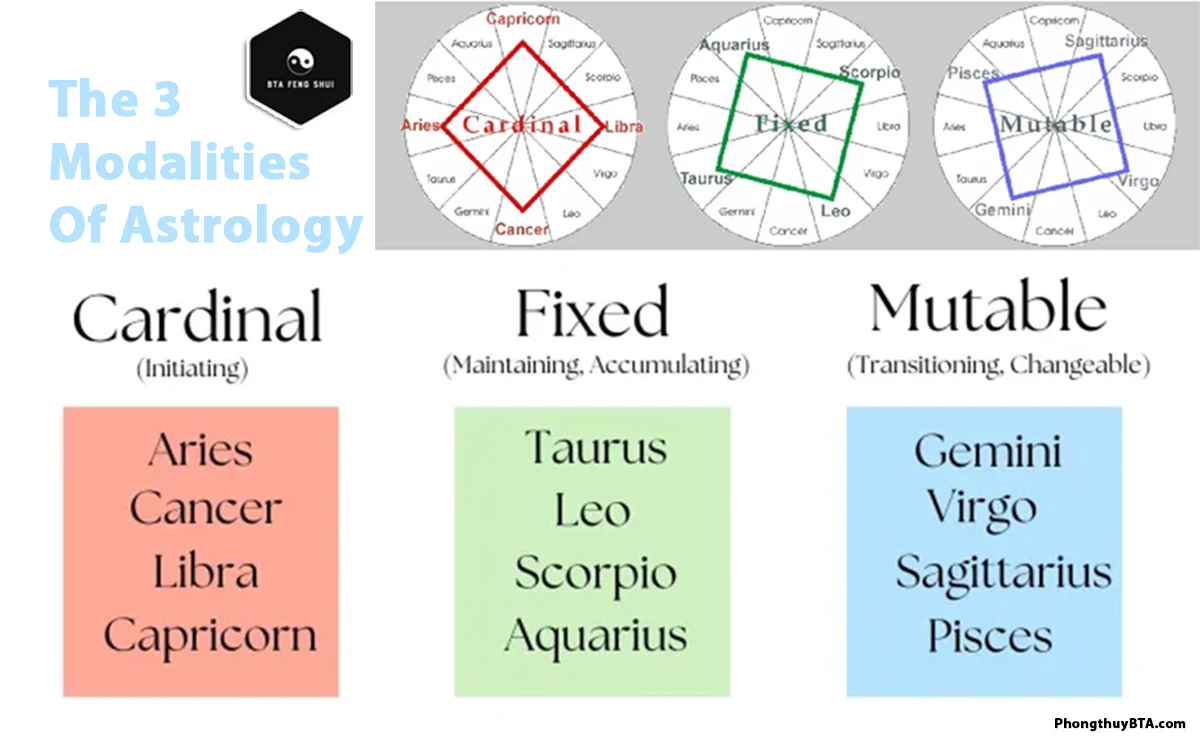
The Three Modalities: Cardinal, Fixed, Mutable
The zodiac signs are further categorized by modalities, which describe their role within a season and influence their approach to life.
Cardinal Signs: Aries, Cancer, Libra, Capricorn
Role: Initiators who start new seasons.
Traits: Dynamic, ambitious, and leadership-driven. Cardinal signs excel at taking action and launching projects.
Fixed Signs: Taurus, Leo, Scorpio, Aquarius
Role: Stabilizers who sustain the middle of seasons.
Traits: Consistent, determined, and resistant to change. Fixed signs maintain momentum and focus.
Mutable Signs: Gemini, Virgo, Sagittarius, Pisces
Role: Adaptors who transition between seasons.
Traits: Flexible, resourceful, and adaptable. Mutable signs thrive in change and transformation.
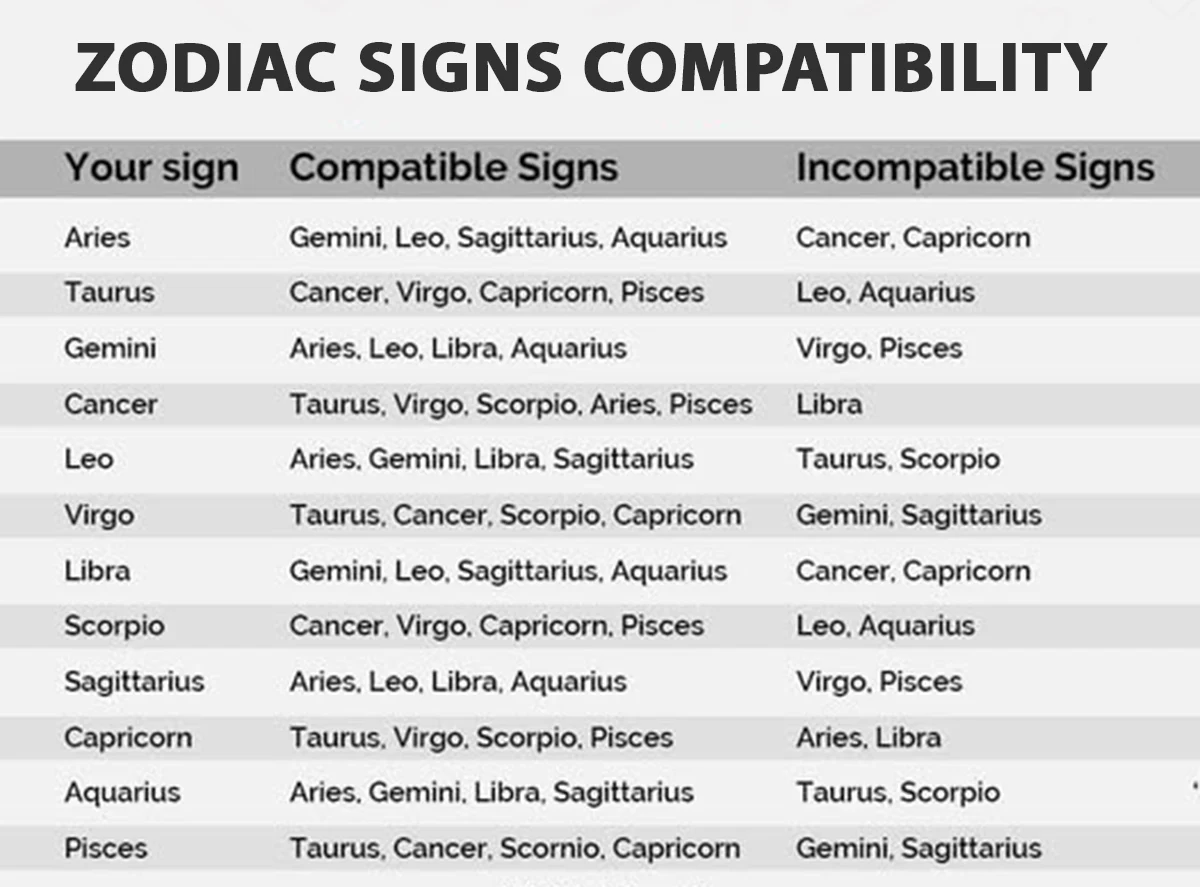
Understanding zodiac signs compatibility can enhance relationships by highlighting strengths and potential challenges. While no signs are inherently incompatible, some pairings flow more naturally due to shared elements or complementary energies.
Fire and Air Signs: Aries, Leo, and Sagittarius (Fire) pair well with Gemini, Libra, and Aquarius (Air). Their dynamic energy creates vibrant, exciting relationships.
Earth and Water Signs: Taurus, Virgo, and Capricorn (Earth) align with Cancer, Scorpio, and Pisces (Water), fostering nurturing and grounded connections.
Opposing Signs: Signs opposite each other (e.g., Aries-Libra, Taurus-Scorpio) often have strong attraction due to complementary traits but may face challenges requiring patience.
Same-Element Compatibility: Signs within the same element (e.g., Fire with Fire) share similar values and understand each other intuitively.
For deeper insights, synastry—a branch of astrology comparing two birth charts—can reveal the nuances of astrology signs compatibility.
Understanding Your Western Birth Chart
A Western birth chart is a snapshot of the heavens at your birth, mapping the positions of planets, signs, houses, and aspects. Key components include:
Sun Sign: Your core identity and ego.
Moon Sign: Your emotional inner world.
Ascendant (Rising Sign): Your outward personality and first impressions.
Houses: Twelve life areas, from career to relationships, influenced by planetary placements.
Aspects: Angles between planets, such as conjunctions (0°) or oppositions (180°), indicating harmony or tension.
To create your Western horoscope chart, you need your birth date, time, and location. At BTA Astrology, we recommend consulting a professional astrologer for a detailed reading to uncover how these elements shape your life path.
Eastern vs. Western Astrology: A Holistic Perspective
While Western astrology focuses on the 12 zodiac signs and their celestial alignments, Eastern astrology, including Chinese and Vedic traditions, offers complementary perspectives.
Chinese Zodiac
Overview: Based on a 12-year cycle, each year is represented by an animal (Rat, Ox, Tiger, Rabbit, Dragon, Snake, Horse, Sheep, Monkey, Rooster, Dog, and Pig) and one of five elements (Wood, Fire, Earth, Metal, Water).
Traits: Each animal and element combination shapes personality and destiny. For example, a Fire Dragon is bold and charismatic, while a Water Dragon is introspective.
Compatibility: Chinese astrology emphasizes harmony between animal signs and elements, offering insights into relationships and life paths.
Vedic Astrology (Jyotisha)
Overview: Rooted in Hindu traditions, Vedic astrology uses the sidereal zodiac, which accounts for the Earth’s axial precession, differing from the Western tropical zodiac.
Nakshatras: The 27 lunar mansions (nakshatras) provide detailed insights into personality and destiny based on the Moon’s position at birth.
Elements: Vedic astrology aligns with five elements (Fire, Earth, Air, Water, Ether), with planets like Mars ruling Fire and Jupiter ruling Ether.
Integrating East and West
Combining Western and Eastern astrology offers a richer understanding of your zodiac sign personality.
For instance, a Taurus in Western astrology (Earth, grounded) paired with a Chinese Wood Rat (resourceful, adaptable) reveals a unique blend of stability and ingenuity. This holistic approach enhances self-awareness and decision-making.
Why Zodiac Signs Matter
Astrology, including the zodiac signs, is a tool for self-discovery and understanding relationships. While not scientifically proven, its enduring popularity—evidenced by a 2022 poll showing 27% of Americans believe in astrology—stems from its ability to provide comfort and insight.
Your sun sign acts as a cosmic fingerprint, reflecting your core essence, strengths, and challenges. By exploring your zodiac sign meanings, you can:
Understand Yourself: Uncover your strengths, weaknesses, and motivations.
Improve Relationships: Use zodiac signs compatibility to navigate partnerships.
Guide Decisions: Align choices with your sign’s natural tendencies and cosmic influences.
Connect with the Cosmos: Feel part of a larger universal rhythm.
Practical Tips for Using Zodiac Signs
Know Your Sun Sign: Use your birth date to find your zodiac sign and explore its traits.
Explore Your Birth Chart: Beyond your sun sign, your birth chart (including Moon and Rising signs) offers a fuller picture of your personality.
Check Compatibility: Understand how your sign interacts with others for better relationships.
Follow Monthly Horoscopes: Stay updated with cosmic influences.
Blend Traditions: Combine Western zodiac signs with Chinese or Vedic astrology for a comprehensive perspective.
The zodiac signs offer a timeless guide to understanding yourself and your place in the universe. From the fiery passion of Aries to the intuitive depth of Pisces, each sign brings unique gifts and challenges.
By exploring their dates, traits, elements, and compatibility, you can unlock profound insights into your personality and relationships.