











In the vast landscape of astrology, one of its most profound applications lies in exploring the human psyche. Psychological astrology delves deep into how celestial symbols reflect our inner world, emotional patterns, and mental processes. By integrating timeless astrological archetypes with modern psychological insights, this approach offers a powerful tool for self-awareness, healing, and personal growth.
Pioneered through the groundbreaking work of Carl Jung, who linked planetary symbols to universal archetypes embedded in the collective unconscious, psychological astrology has evolved into a respected interdisciplinary field. Open-minded psychologists and astrologers alike have recognized that these two seemingly different disciplines can complement each other logically and meaningfully, creating a richer understanding of human behavior and motivation.
The Deep Connection Between Astrology and Psychology
While astrology and psychology intersect in various ways, the strongest and most practical link appears in natal astrology — the study of an individual’s birth chart. A natal chart acts as a unique psychological blueprint, revealing core personality traits, emotional needs, inner conflicts, and potential growth areas long before traditional talk therapy or self-reflection fully uncovers them.
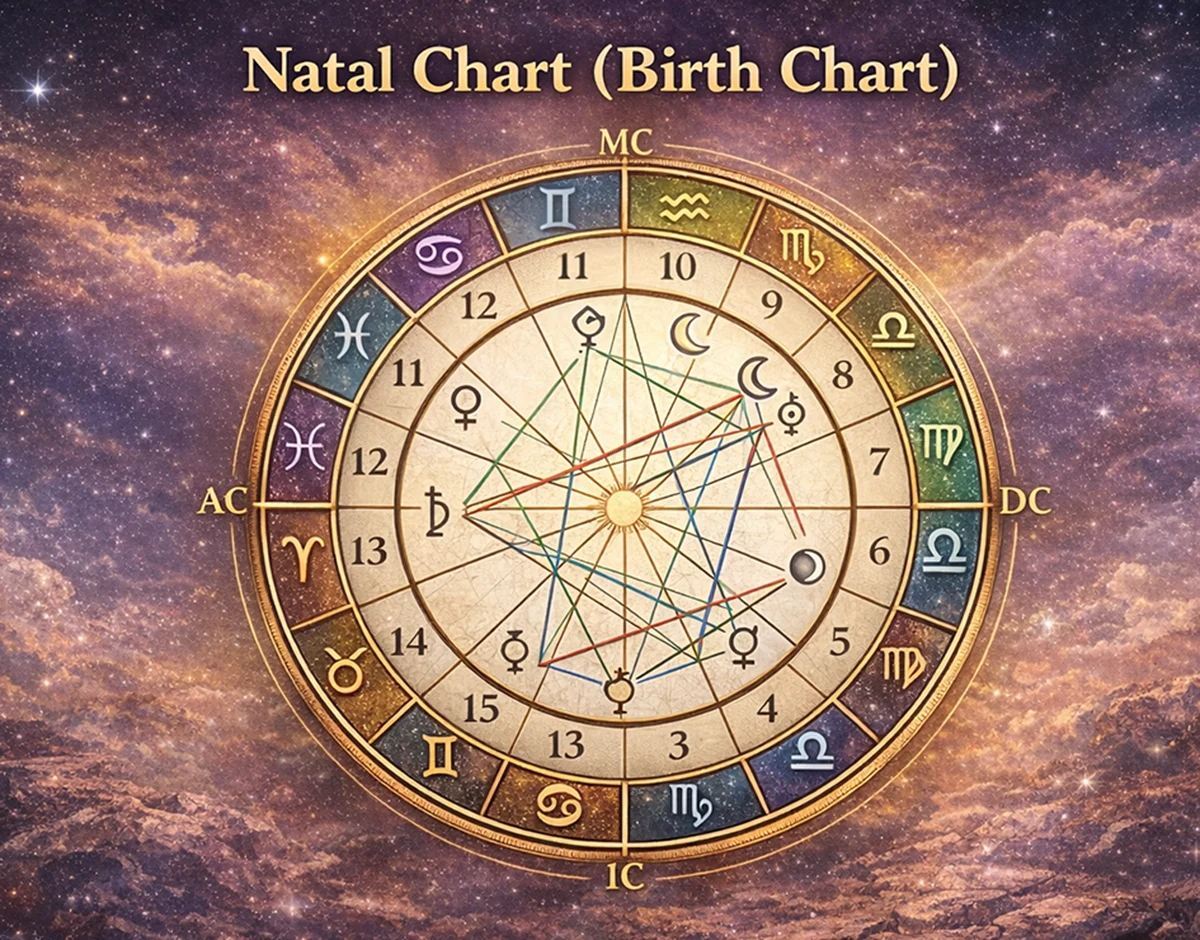
In psychological astrology, the birth chart serves as an insightful starting point. It helps identify underlying issues, unconscious motivations, and recurring life patterns without immediately jumping into predictive techniques. This makes the approach especially valuable for therapists and clients seeking deeper self-understanding.
Once the root causes of a challenge are clearly mapped through the chart, carefully selected predictive tools can then be introduced. These help anticipate emotional triggers, timing of recurring themes, or periods when certain psychological patterns may surface more strongly — always with the goal of empowerment rather than fatalism.
Finding the Right Balance Between Two Powerful Disciplines
One of the greatest strengths — and challenges — of psychological astrology is the need for true balance. Practitioners often come from diverse backgrounds: some are trained psychologists exploring astrology, while others are experienced astrologers incorporating psychological principles.
When both fields are honored equally, the results can be transformative. Astrology brings a sense of wonder, cosmic connection, and profound symbolic insight into the vastness of the universe and human experience. Psychology, on the other hand, offers grounded, evidence-based frameworks for understanding behavior, trauma, cognitive patterns, and emotional regulation.
From a purely psychological perspective, astrology may sometimes appear too mystical or unstructured. Conversely, from an astrological viewpoint, traditional psychology can feel overly clinical or restrictive, missing the poetic and archetypal dimensions of the soul.
The secret to success lies in genuine respect and passion for both disciplines. When approached with curiosity and integrity, psychological astrology becomes a harmonious blend that enriches both the practitioner and the individual seeking insight.
Unlocking the Subconscious Through Dreams and Archetypes
One of the most fascinating areas where psychological astrology shines is in dream interpretation. Dreams are rich with symbolic language that mirrors planetary archetypes, offering direct access to the subconscious mind.
Unfortunately, many popular dream guides today remain superficial, focusing only on generic meanings and missing the deeper layers. In contrast, psychological astrology connects dream imagery to specific celestial symbols with remarkable precision.
For example, a recurring dream involving water often points to emotional depths and fluid feelings, resonating strongly with lunar (Moon) energy. Similarly, dreams of flying or soaring through vast skies frequently relate to intellectual freedom, innovation, and visionary thinking — themes closely tied to Aquarian energy.
By learning to read dreams through this archetypal lens, anyone can gain clearer insight into unresolved emotions, hidden fears, creative potential, or spiritual callings. You don’t need to be a professional psychological astrologer to benefit — simply becoming familiar with these symbolic connections can dramatically improve self-awareness and emotional intelligence.
How Psychological Astrology Helps Solve Recurring Life Patterns
Many people experience the same challenges repeating throughout their lives — difficult relationships, career blocks, self-sabotage, or emotional cycles. Psychological astrology provides a unique advantage by illuminating these patterns from two complementary angles: the symbolic language of the planets and the practical understanding of human psychology.
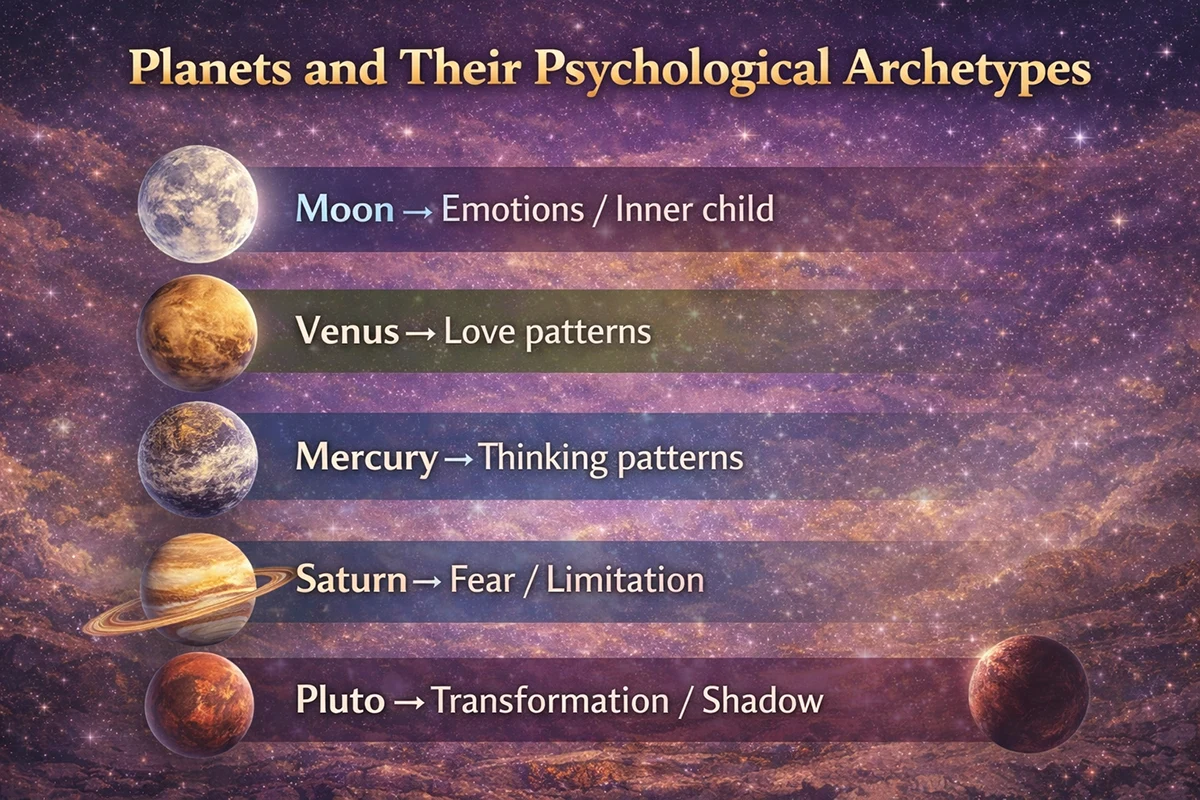
When you combine both perspectives, you begin to see the “equation” of your life more clearly. The birth chart reveals the core variables — your inherent strengths, vulnerabilities, and soul lessons — while psychological insight helps you understand how these play out in daily thoughts, behaviors, and choices.
This dual awareness makes it easier to break free from old cycles. Instead of feeling stuck or confused, you gain tools to address root causes, anticipate potential triggers, and consciously choose healthier responses. Ultimately, the goal is not prediction for its own sake, but empowerment — turning self-knowledge into meaningful, lasting change.
Practical Benefits of Exploring Psychological Astrology
Working with psychological astrology can offer numerous real-world advantages:
- Deeper Self-Awareness: Understand your emotional needs, defense mechanisms, and motivations on a profound level.
- Improved Relationships: Recognize how your chart interacts with others’, fostering empathy and reducing conflict.
- Healing Past Wounds: Identify karmic or psychological themes that may stem from early life experiences or family dynamics.
- Personal Growth: Align your actions with your natural strengths and work consciously on shadow areas.
- Emotional Resilience: Learn to navigate challenging transits or progressions with greater understanding and less fear.
Whether you are a therapist, coach, spiritual seeker, or simply someone on a journey of self-discovery, psychological astrology provides a compassionate, insightful framework for navigating the complexities of the human mind and soul.
Getting Started with Psychological Astrology
Begin by studying your own natal chart with a focus on psychological indicators — placements of the Moon, Saturn, Pluto, the 4th and 8th houses, and aspects involving inner planets. Explore reputable resources that blend astrology with depth psychology, Jungian concepts, or modern therapeutic approaches.
Keep a dream journal and note any recurring symbols, then cross-reference them with planetary archetypes. Over time, you will start noticing meaningful connections that illuminate both your waking and sleeping life.
Remember: the true power of psychological astrology is not in labeling or limiting yourself, but in gaining clarity, compassion, and conscious choice. It invites you to see yourself as part of a larger cosmic story while remaining fully responsible for your growth and healing.
By embracing both the symbolic wisdom of the stars and the practical understanding of the mind, you open the door to a more integrated, authentic, and empowered way of living.
